What's the deal with stucco cracks? Are they always a big problem?
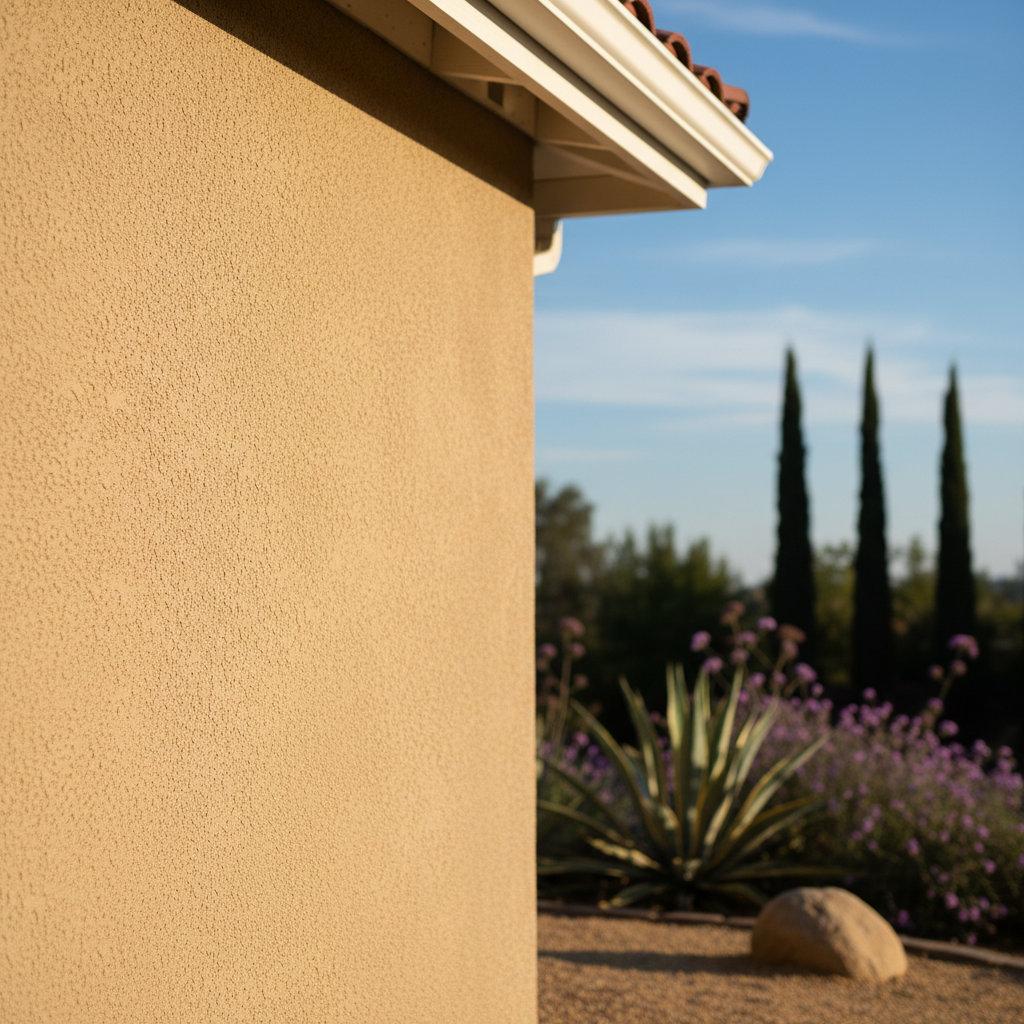
Look, if you've got stucco, you're going to see cracks. It's just a fact of life with this material, especially here in Southern California where we get those big temperature swings and, let's be honest, the occasional tremor. Most of the time, those hairline cracks you see are totally normal shrinkage cracks. The stucco cures, it shrinks a tiny bit, and then you get these minor surface lines. They're usually not letting water in, and frankly, they're mostly a cosmetic thing.
Now, when should you worry? You really need to pay attention if you see cracks wider than a credit card, or if they're running horizontally or in a stair-step pattern, especially around windows and doors. Those could point to structural movement or water intrusion issues. Also, if you notice cracks that are discolored, bulging, or have efflorescence (that white, powdery stuff), that's a definite red flag for moisture. Don't ignore those. Give a pro like us at Genesis Stucco Company a call to come take a look. It's always better to catch those problems early.
How long does stucco really last on a house in Arcadia?
That's a great question, and the answer isn't a simple number because it depends on a few things. A properly installed, traditional three-coat stucco system, well-maintained, can easily last 50 to 80 years, or even longer. I've worked on homes in the Santa Anita neighborhood that still have their original stucco from the 50s and 60s, and it's holding up great because someone did it right and cared for it.
What shortens its life? Poor installation, for sure. If the lath wasn't properly attached, or the mix was wrong, or it wasn't cured correctly, you're going to have problems sooner rather than later. Lack of maintenance is another big one. Not addressing those larger cracks or keeping up with painting or sealing can let water in, and once water gets behind stucco, its lifespan drops dramatically. Also, things like improper flashing around windows or rooflines can cause localized failures. But generally, with good care, it's a very durable exterior.
Can I just paint over my old stucco, or do I need to do something else first?
You can definitely paint over stucco; it's a common way to refresh its look. But here's the catch: you can't just slap paint on it. The surface needs to be clean, dry, and sound. Any loose or crumbling stucco needs to be repaired first. All those hairline cracks? You'll want to fill those with an elastomeric caulk or a flexible stucco patch, otherwise, the paint will just crack right over them. Pressure washing is usually a good idea to get rid of dirt, mildew, and loose paint, but be careful not to damage the stucco itself.
And don't just use any old exterior paint. You need a high-quality acrylic latex paint specifically designed for masonry or stucco. These paints are breathable, which is crucial for stucco, and they're flexible enough to handle the material's expansion and contraction. If you use a paint that seals too much, you can trap moisture, and that's a recipe for bigger problems down the road. Sometimes, if the stucco is really rough or damaged, a specialized elastomeric coating might be a better choice than standard paint. It can offer more waterproofing and crack bridging, you see.
What's the difference between traditional stucco and EIFS? Does it matter for my home?
It absolutely matters! Traditional stucco, what we mostly work with here, is a hard, cement-based material applied in layers over a lath (wire mesh) system. It's very durable, breathable, and impact-resistant. When it gets wet, it's designed to dry out. It's been used for centuries and is a proven system.
EIFS stands for Exterior Insulation and Finish System. It's basically a synthetic stucco. It starts with a foam insulation board attached to your wall, then a base coat with mesh embedded in it, and finally a thin, acrylic finish coat. The big difference? EIFS is a barrier system – it's designed to keep all water out. If water does get behind it, usually through a penetration or a bad seal, it can get trapped and cause serious rot and mold issues because it can't dry out easily. It's also softer and more prone to impact damage.
You don't see a lot of EIFS on older homes in Arcadia, but some newer construction might have it. If you have EIFS, you need to be extra vigilant about sealing around windows, doors, and any penetrations to prevent water intrusion. Traditional stucco is generally more forgiving when it comes to minor moisture issues.
My stucco looks faded and a bit dingy. Can I change its color without a full re-stucco?
Yep, you can definitely change the color without tearing everything off and starting fresh. There are a couple of ways to do it. The most common is painting, as we just talked about. A good quality masonry paint in your chosen color will give your home a fresh new look. It's usually the most cost-effective option for a color change.
Another option, if you want to maintain the stucco's texture and breathability without a paint film, is a fog coat or a color wash. A fog coat is a very thin, pigmented cement-based coating that's sprayed onto the existing stucco. It's translucent, so it blends with the existing texture but gives it a new color. It's great for refreshing faded stucco without making it look painted. A color wash is similar but can be applied by hand for a more varied, artistic look. Both options are breathable and can extend the life of your stucco's appearance. It just depends on the look you're going for and the condition of your existing finish coat, doesn't it?
What kind of regular maintenance should I be doing for my stucco?
Stucco is pretty low maintenance compared to some other exteriors, but it's not no-maintenance. The biggest thing is regular inspection. Walk around your house a couple of times a year, especially after heavy rains or strong winds. Look for those wider cracks, bulging areas, or any discoloration. Check around windows, doors, and where the stucco meets the roof or the foundation for any signs of water intrusion or failing caulk. If you see caulk that's cracking or pulling away, re-caulk it!
Keep your gutters clean and make sure downspouts are directing water away from your foundation. You don't want water constantly splashing up against the stucco. Trim back any bushes or trees that are directly touching the stucco; they can hold moisture against the wall and cause issues. And if you need to clean it, use a soft brush and mild detergent, or a very low-pressure washer. Don't blast it with high pressure; you can damage the finish. Catching small problems early is the key to keeping your stucco looking good and lasting a long time.