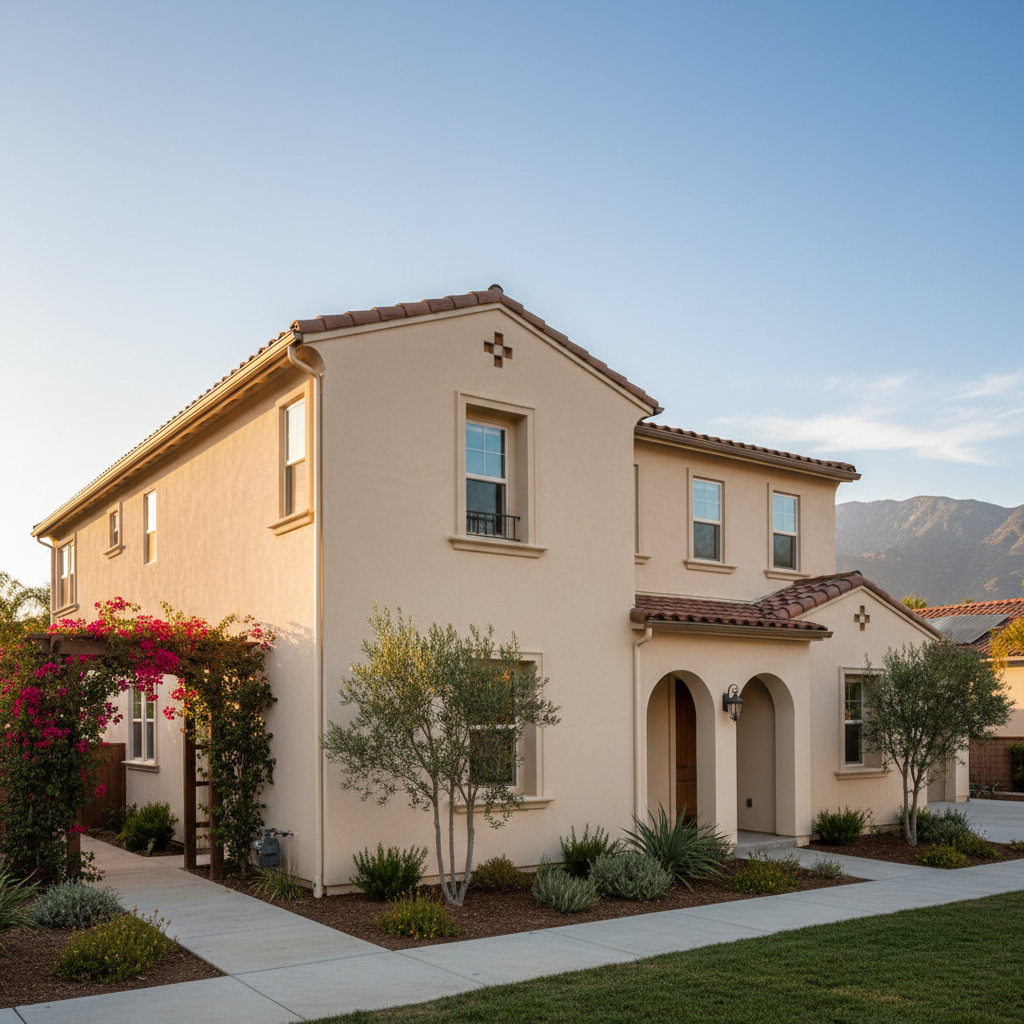
When's the best time to put EIFS on your house here in Arcadia? That's a question I get a lot, and it's a good one because our local climate really dictates when you should schedule that kind of work and how you need to protect it once it's done.
Understanding EIFS and Our Weather
EIFS, or Exterior Insulation and Finish Systems, is a fantastic choice for a lot of homes, especially if you're looking for better insulation and a really smooth, modern finish. It's not traditional stucco, though it looks similar. Instead, it's a multi-layered system that includes an insulation board, a base coat with mesh, and then a finish coat. Because of these layers, especially the insulation and the finish, the weather during installation is super important.
Here in Arcadia, we don't get extreme winters like some places, but we do have our fair share of hot, dry summers and occasionally wet, cooler winters. Oh, and those Santa Ana winds? They can really kick up dust and dry everything out. All these factors affect how EIFS goes on and how it cures.
When to Schedule Your EIFS Installation
Honestly, the sweet spot for EIFS installation in Arcadia is usually spring or fall. Why? Because you want moderate temperatures and not too much humidity or rain.
Spring (March to May): This is often ideal. The days are usually warm enough for materials to cure properly, but not so hot that they dry too fast. You also avoid the peak rainy season, though we can still get some spring showers. We just need a few consecutive dry days for the work.
Fall (September to November): Another great window. The intense summer heat has usually broken, and the air feels crisp. Again, you're looking for those stretches of dry, temperate weather before the winter rains really set in. The cooler evenings actually help with a slower, more controlled cure.
What you want to avoid, if you can help it, is the height of summer or the depths of winter. Trying to install EIFS when it's 100 degrees outside, like it can get in August around the Santa Anita Racetrack area, means the materials can dry too quickly. That often leads to cracking or poor adhesion. On the flip side, putting it on during a cold, damp January can really slow down the curing process, potentially affecting the system's integrity and delaying the whole project.
Weather Conditions That Affect the Work
It's not just about the season; it's about the daily conditions. As a contractor, I'm always watching the forecast for a few key things:
Temperature: Most EIFS makers specify a temperature range, typically between 40°F and 90°F (4°C and 32°C). Going outside this range can compromise the product. Too cold, and it won't cure. Too hot, and it dries too fast, which can lead to issues like flash drying or cracking.
Humidity: High humidity can slow down drying times, especially for the finish coat. Low humidity, combined with high temperatures, can make things dry too fast.
Rain: This is a big one. You absolutely cannot install EIFS in the rain. The materials need to go onto a dry surface, and they need time to cure without getting washed out. Even after we apply them, they need protection from rain until they've set. If we see rain in the forecast, we'll often pause work or make sure everything is properly covered.
Wind: Strong winds, like our Santa Anas, can be a real problem. They can dry out materials too quickly, carry dust and debris that can get embedded in the wet finish, and make it tough to apply the layers evenly. We often use windbreaks or adjust our schedule on really windy days.
Genesis Stucco Company always pays close attention to these details. We're not just slapping material on your wall; we're making sure it's applied under the best possible conditions for a long-lasting finish.
Protecting Your EIFS Investment Year-Round
Once your EIFS is installed, it's pretty durable, but a little year-round attention goes a long way, especially with our climate.
Regular Cleaning: Dust, pollen, and even smog can build up on the surface. A gentle wash with a garden hose and a soft brush (no pressure washers!) once or twice a year will keep it looking fresh. If you've got a lot of trees, you might see some algae or mildew in shadier spots; a mild detergent can handle that.
Check for Cracks or Damage: After a particularly hot summer or a wet winter, walk around your house and look for any hairline cracks or impact damage. While EIFS is flexible, extreme conditions or accidental bumps can cause issues. Catching these early means a simple repair rather than a bigger problem down the road.
Manage Water Runoff: Make sure your gutters and downspouts are clean and directing water away from your foundation. Ponding water near the base of your EIFS can be problematic over time. Also, check your irrigation system to ensure sprinklers aren't constantly drenching the EIFS walls.
Landscaping Maintenance: Keep shrubs and trees trimmed back so they're not constantly rubbing against the EIFS surface. This prevents abrasion and also allows for good airflow, which helps keep the surface dry and prevents mildew growth.
EIFS is a great system for energy efficiency and curb appeal, but like any investment, it thrives with a bit of care. Knowing when to put it on and how to look after it means you'll enjoy its benefits for many, many years.